Email spam is one of the biggest challenges facing email services and users alike. According to Microsoft statistics, spam accounts for more than 60% of all email traffic. With the problem continuing to grow at a rate of 10-20% a year, governments and companies are expected to take stronger action against spam in 2024.
In this article, we review the expected developments in combating email spam, including new legislation, AI solutions, and the role of awareness in curbing the problem.
Causes of the rise in email spam
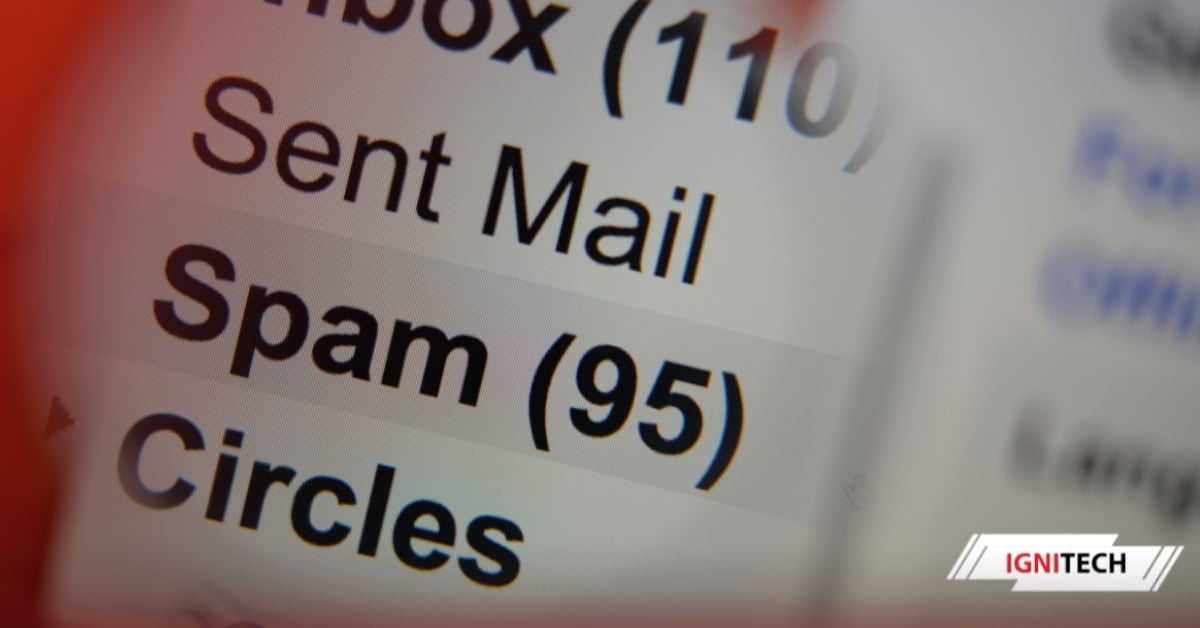
The rise in email spam comes down to several factors, including:
Easy access to email addresses
Getting hold of lists of email addresses is easier than ever, which lets unwanted senders send automated messages on a large scale. For example, some companies sell huge databases of email addresses for small sums.
The spread of automated email tools
Many low-cost tools and programs are available online that make it easy to send spam. These programs let users send thousands of messages in a few minutes without any technical skills.
A lack of sufficient deterrence
Most countries do not impose penalties strong enough to deter individuals and companies from sending email spam. For example, most countries in the Middle East have no specific laws against unwanted email. This encourages some to exploit the legal gap.
Effects of email spam
Email spam hurts individuals and companies alike:
Lost productivity
Receiving large amounts of unwanted messages wastes time and distracts from important work. According to one study, the average employee wastes about 4.4 hours a month dealing with unwanted email.
Extra costs
Companies bear extra costs to filter spam and keep work running as usual. For example, large companies spend millions of dollars a year on the software and hardware needed to protect their networks from cyberattacks and malware, which often spread through spam.
Security concerns
Scammers use spam to spread malware and to obtain sensitive data such as passwords and credit card details. The consequences can be severe for individuals and organizations alike.
Trends in combating email spam
In 2024, efforts to combat email spam are expected to focus on:
Stronger regulation
Countries such as the United States and the EU member states will issue stricter regulations on commercial email. For example, Europe recently passed an amendment to the General Data Protection Regulation (GDPR) that imposes financial penalties on companies that send marketing messages without the recipients' consent.
More countries in the Middle East are also expected to adopt specific laws against unwanted email and close the current legal gaps.
Better detection technologies
Companies will invest in advanced technologies such as artificial intelligence and machine learning to detect email spam and fraud more effectively. For example, algorithms will be trained to recognize certain patterns that point to suspicious content, so that such messages are isolated and kept from reaching users' inboxes.
More awareness
Governments and organizations will run campaigns to teach individuals and companies how to recognize spam and protect themselves from it. These campaigns will focus in particular on best practices for choosing passwords and on how to handle suspicious links and attachments that arrive by email.
Steps you can take to combat email spam
There are a number of steps that users and companies can take to help reduce email spam:
Use separate email addresses
Using separate addresses for personal and business matters helps keep unwanted email under control. For example, you can use a dedicated address to sign up for websites and online services instead of your main address.
Turn on two-factor authentication
Two-factor authentication helps prevent unauthorized access to accounts and their use to send spam. It is recommended to turn it on for all accounts, especially those linked to phone numbers.
Use anti-spam software
Many software solutions are effective at blocking unwanted email, such as SpamAssassin and SpamBully, which can be integrated with email servers.
Report email spam
You should report any suspicious messages to your email service provider, to help them improve their detection tools.
Avoid clicking links or opening attachments from untrusted sources
Do not click links or open attached files that come from unknown sources, as they can contain malware.
Avoid publishing your email address on insecure sites
Publishing your email address on insecure websites or forms increases the chances that it will be hit by spam attacks.
Use email address masking
Some services and websites let you hide your real email address, which reduces the chance of it being stolen in a breach.
The role of internet service providers in combating email spam
Despite the efforts of users and companies to tackle unwanted email, the greatest burden falls on internet service providers and email hosting providers. Here are some ways they can contribute effectively to combating the problem:
Block known ports used for automated sending
Internet service providers can block access to the ports and sites commonly used for mass email sending.
Inspect traffic and flag suspicious activity
Using AI and machine learning, providers can monitor data traffic across their networks and flag any suspicious activity that points to email spam attacks.
Enforce an acceptable use policy
Strict policies should be set that define the acceptable use of resources, with the ability to suspend accounts that violate them.
As the email spam problem keeps growing, we can expect greater technical and legislative efforts to curb it. Solutions based on AI and machine learning are expected to achieve higher success rates than traditional methods at detecting spam and keeping it out of inboxes.
At the same time, awareness efforts will remain a decisive factor in engaging users and strengthening a culture of digital protection. Combining these awareness efforts with ethically acceptable email marketing practices will help noticeably reduce the exposure of individuals and organizations to email spam and the misuse of their personal data by 2024.
Frequently asked questions
What are the main technologies used to combat email spam?
Most email service providers rely on artificial intelligence and machine learning to tell legitimate messages from spam. Feature isolation techniques are also used to identify messages that contain malicious files.
How can individuals protect themselves from email spam?
It is advisable to avoid opening messages or attachments from untrusted sources, and not to click suspicious links. You should also use strong passwords and turn on two-factor authentication to raise your level of security.
Is email spam expected to get worse in the near future?
Yes, email spam rates are expected to rise by 10-20% a year over the next few years, which calls for stepped-up global efforts to combat the problem.
Can users sue the senders of spam?
Yes, individuals and companies have the right to file lawsuits against those who commit email spam offenses, in accordance with the laws of their countries.
What penalties can be imposed on spammers?
Penalties vary from country to country, but they often include heavy fines and even prison in some repeated or serious cases.
Is it possible to eliminate the email spam problem completely?
Despite technological progress, eliminating spam completely is difficult. But with combined efforts, its share can be brought down to acceptable, less harmful levels.