
Businesses are constantly looking for new ways to reach their target audience and promote their products or services. One approach that has gained significant popularity in recent years is influencer marketing. By working with influential individuals on social media platforms, businesses can tap into a vast network of potential customers. In this article, we explain what influencer marketing is, how it works and why brands use it, and we answer the questions businesses ask most often.
What is Influencer Marketing?
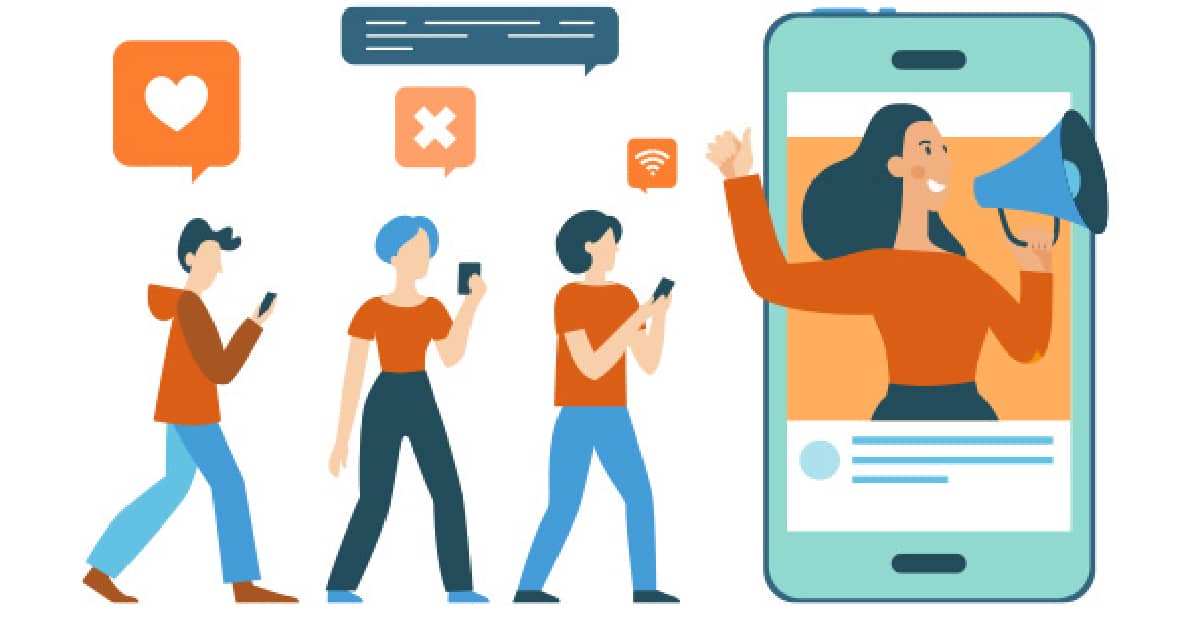
Influencer marketing is a form of marketing that focuses on using influential individuals to promote a brand, product, or service to their audience. These influencers, who have built a substantial following on social media platforms such as Instagram, YouTube, or TikTok, have the ability to sway the opinions and purchase decisions of their followers. By collaborating with influencers, businesses can tap into their credibility, trust, and authority to reach a wider audience and increase brand awareness.
How Influencer Marketing Works
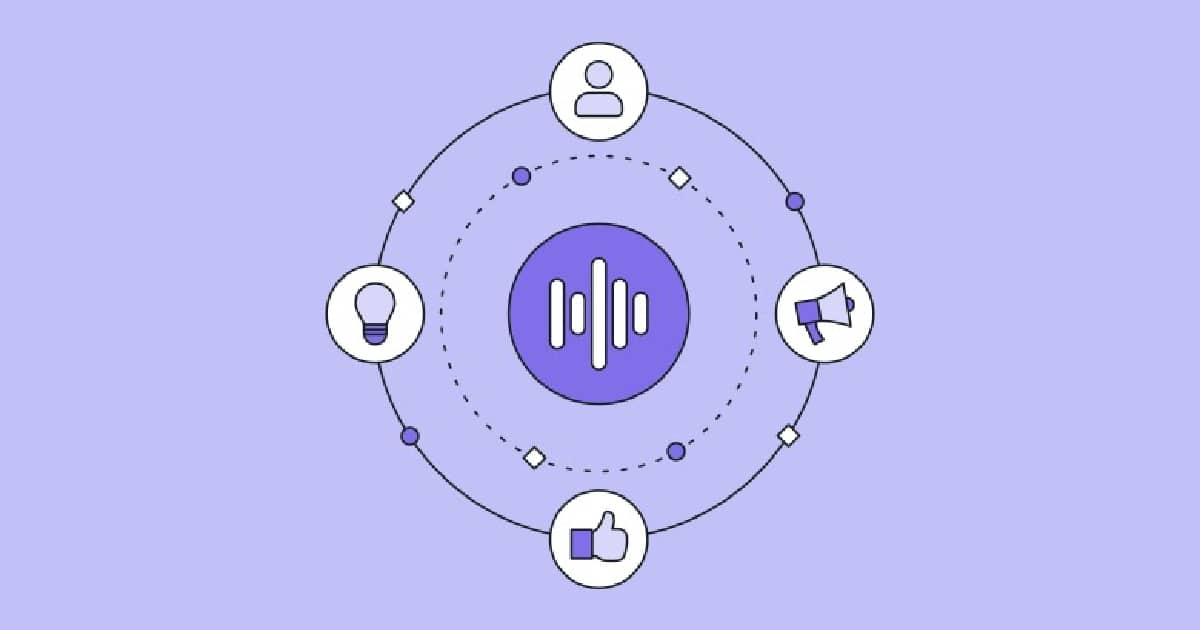
A typical collaboration follows a simple pattern. The brand looks for influencers who are active in its industry or niche and whose followers match its target audience. Both sides agree what is expected, the influencer creates content that feels genuine to their followers, and the brand tracks results such as reach, engagement, website traffic and conversions.
Define Collaboration Terms
When partnering with influencers, it's important to establish clear collaboration terms. Clearly outline your expectations, such as the type and frequency of content they should create, the platforms they should use, and the key performance indicators (KPIs) you will measure. Additionally, discuss compensation, whether it's through monetary payment, product gifting, or a combination of both. Ensure that both parties are satisfied with the terms before proceeding.
This is only an overview of how a campaign comes together. The full step-by-step plan, from setting goals to optimizing results, is in our guide to starting an influencer marketing strategy in 7 steps.
Why Brands Use Influencer Marketing
Brands use influencer marketing because influencers have already built credibility, trust and authority with their audience. Working with them gives a brand access to a wider audience and helps increase brand awareness. Followers are more likely to trust recommendations that come across as genuine and unbiased, and the goals can range from awareness to website traffic, leads and sales.
Influencer marketing has emerged as a powerful way for businesses to connect with their target audience and increase brand awareness. Now that you know what influencer marketing is and how it works, the FAQs below answer common questions about budgets, influencer size, ROI, repurposing content and disclosure.
FAQs
Is influencer marketing only effective for certain industries?
Influencer marketing can be effective for a wide range of industries. While it may seem more prevalent in industries such as fashion, beauty, or fitness, businesses in other sectors can also benefit from influencer collaborations. It's important to identify influencers whose audience aligns with your target market, regardless of the industry you operate in.
How much should I budget for influencer marketing?
The budget for influencer marketing campaigns can vary greatly depending on factors such as the size and reach of the influencers, the type of content required, and the duration of the collaboration. It's crucial to allocate a budget that aligns with your goals and objectives. Consider both monetary compensation and product gifting when determining your budget.
Should I work with micro-influencers or macro-influencers?
Both micro-influencers (those with smaller followings) and macro-influencers (those with larger followings) have their advantages. Micro-influencers often have a more engaged and niche audience, which can lead to higher conversion rates. On the other hand, macro-influencers have a wider reach and can help increase brand awareness. Consider your goals and target audience when deciding which type of influencers to collaborate with.
How can I measure the ROI of my influencer marketing campaigns?
Measuring the return on investment (ROI) of influencer marketing campaigns can be challenging but not impossible. Track metrics such as website traffic, sales, leads, and brand mentions to evaluate the effectiveness of your campaigns. Compare these metrics to the investment made in influencer collaborations to calculate the ROI.
Can I repurpose influencer-generated content?
Yes, repurposing influencer-generated content is an effective way to extend the lifespan of your influencer collaborations. With the influencer's permission, you can share their content on your own social media channels, website, or email marketing campaigns. Repurposing content helps amplify its reach and reinforces the association between your brand and the influencer.
Should I disclose sponsored content in influencer marketing?
Yes, it is essential to disclose sponsored content in influencer marketing to maintain transparency and comply with advertising regulations. The Federal Trade Commission (FTC) requires influencers to clearly disclose their relationships with brands to their audience. Disclosures should be prominently placed and easily understandable, such as using hashtags like #ad or #sponsored.